Table of Content
For example, an AV receiver such as the Yamaha TSR has the ability to automatically detect a microphone and adjust volume levels accordingly. If you’re happy with everything, then you’re done! Connecting a microphone to live speakers can make some interesting, and often horrible, noises. Connect the subwoofer line output of the AV receiver to the subwoofer. As for the TV or projector screen size, that's a personal choice. Even small mini-projectors can produce big pictures.

Connect the antenna directly to your TV if you receive TV programs via the antenna. If you have a smart TV, make sure it is connected to the internet. Robert Silva has extensive experience in consumer electronics and home theater product sales and sales supervision; he has written about audio, video, and home theater topics since 1998. Robert has articles published on HBO.com and Dishinfo.com plus has made appearances on the YouTube series Home Theater Geeks. There is one caveat to the “no receiver required” rule with Soundbars. The majority of Soundbars on the market today are “active”.
Alternatives to home theater speakers without a receiver
Place side speakers in-line and above the viewers. Side facing speakers should be parallel to the viewer, offering sound from the right and left. If you cannot fit them in line with the couch, place them slightly behind the viewer and angle them towards the couch.
The THX Home Theater Tune-Up App provides an easy way to check your initial TV or video projector picture settings and make sure the speakers are connected correctly. Have the correct audio, video, and speaker cables with the proper lengths. As you go through the connection process, consider using a label printer to identify the cables and wires if you need to make changes. If your home theater doesn't have inputs labeled explicitly for a VCR or DVD recorder, any set of analog video inputs will do.
Home Theater Equipment and Hardware
If your receiver has protection built in, it will go into safe mode, but either way you can't really use low impedance speakers with just any receiver. Make sure the location that you choose for your equipment is well ventilated, as overheating is a big problem with powerful amplifiers and A/V receivers. Reduce the risk of electric shock by unplugging any currently powered items.In particular, make sure your TV and speakers are off. Ideally, you'll choose an entertainment system (e.g., a console) or a Blu-Ray player for your TV; DVD players and VCR boxes are relatively outdated at this point. You'll need several electrical outlets for your TV and other components, so make sure that you have plenty of power strips in your preferred area.
If that’s the case, it might be worth looking at a slightly more complicated method, but it’s one that’ll give you much more control over the microphone. Most AV receivers don’t have built-in audio equalizing for microphones, so you might need to adjust it separately from the master volume, particularly if you’re doing karaoke. Depending on the age of your kit, your AV receiver should have a 3.5mm audio jack, but if it’s older it might have a slightly larger one. If that’s the case you’ll most likely have to use some kind of adapter, as pretty much all modern microphones will be 3.5mm.
Use headphone jacks
Your task is to get the audio and video signals from the source components to the sound system and video display, respectively. This guide provides some basic guidelines for setting up a home theater system. The extent, combinations, and connection options vary depending on how many and what types of components you have, as well as the room size, shape, lighting, and acoustic properties. However, you may have to tweak the settings for your television, satellite/cable box, Blu-ray/DVD player, and gaming platforms as well.
Dynamic microphones generally need very little maintenance, aside from the occasional clean, and if treated properly will last you for years. They’re a very versatile piece of kit, and are ideal for using with a home theater. If the setup task becomes overwhelming and nothing seems to be "right," here are some troubleshooting tips.
Q2:- How do I connect 5.1 speakers directly to my tv?
You then have two options to connect your cable or satellite box to the TV and the rest of your home theater system. Check out our in-depth overview of the difference between 2.1 and 5.1 soundbars (this will help you understand the major differences between multi-channel soundbars. Soundbars typically include everything you need for enhanced sound. This includes two or more speakers that are strategically placed to enhance audio. For example, if your DVD Player, Roku, and PS4 all need HDMI connections, you will need at least 3 ports that allow you to do so. Everyone who considers a home theater system is new to set up and components at some point.
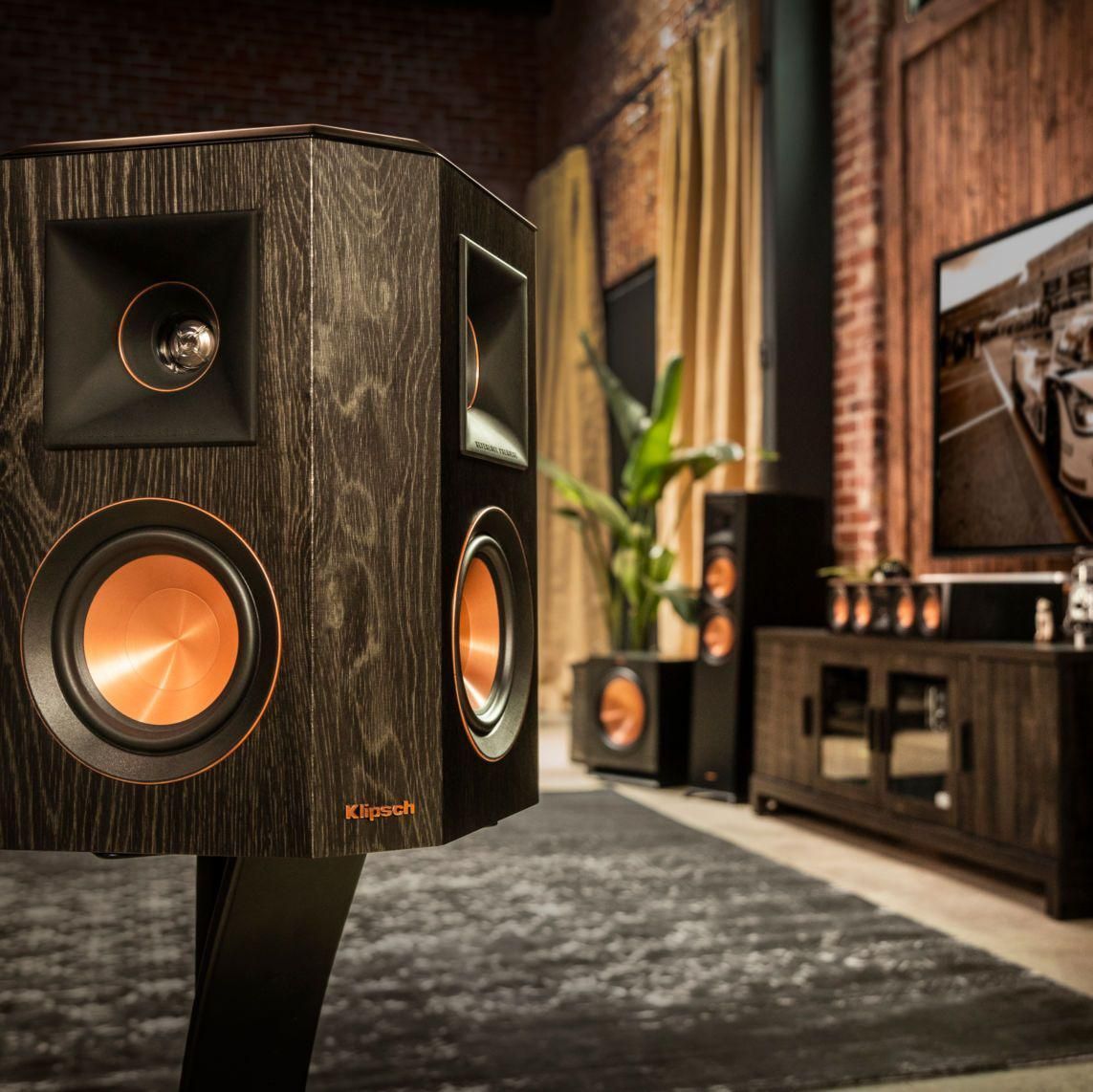
In our opinion, the bigger the screen, the better in a home theater. A home theater brings the movie-going experience home. However, for many, the idea of setting up a home theater system is daunting. Still, it can be pretty stress-free with the right set of guidelines.
Lifewire EV EVs have been around a long time but are quickly gaining speed in the automotive industry. Learn how the long-coming and inevitable shift to electric impacts you. However, a “passive” Soundbar does not include this, therefore, an external receiver or amplifier should be used. You should note that you would likely have to specifically look for a passive Soundbar if you want to use a receiver as they are not as common as their active counterparts.

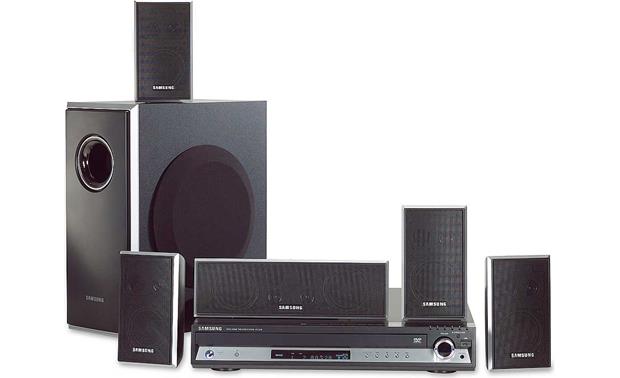
This will conclude your home theater's speaker setup. They have Bluetooth capabilities and support high-resolution audio, which adds more bass. They also have four HDMI inputs, which is more than enough for a satisfying home theater experience.
For me, my first tentative steps into the home theater world were overwhelming, to say the least. With so many components, knowing which pieces are required for what setups can leave you more confused than when you started. One of the most commonly confusing components, if you ask me, is the receiver. If your receiver isn't designed to support low impedance speakers, the moment you crank up the volume, you risk doing serious damage to your receiver.
If your DVD recorder has an HDMI output, use that option to connect the DVD recorder to the home theater receiver. Hi Jonah, Does anyone make a 7.1 channel "sound only" receiver? I don't need HDMI inputs for video games, TV, etc. I need only one audio input from my record player. Most modern receivers also help to enhance video signals as well.
If your television does not have these ports, you can buy special converters. These converters will act as the output ports so that you can connect your speakers to them. Take the remote from your home theater system and use it to set the HTS to the input you plugged the optical cable into. It’s worth noting that many home theater system remote controls have a button that allows you to change between several inputs. If this is the case, you must first hit the button before continuing. Plug the digital audio output out from your television to the digital audio in on the home theater system with your digital optical cable.


No comments:
Post a Comment